
Don’t Make It Easy for Them: Four Cybersecurity Habits Every Healthcare Practice Should Reinforce in 2026
During Cybersecurity Awareness Month 2026, healthcare organizations should focus on strengthening the everyday habits that help protect sensitive information and maintain reliable patient care.
Healthcare Cybersecurity in Q4 2026: 7 Critical Developments U.S. Practices Should Watch
The final quarter of 2026 gives U.S. healthcare leaders an opportunity to connect cybersecurity decisions with the systems that keep patient care moving. For small and mid-sized practices, that means protecting access to charts, prescriptions, scheduling, communications, and billing while planning next year’s security investments.
Cybersecurity Awareness Month 2026: How Healthcare Practices Can Fortify Their Digital Perimeter
October’s Cybersecurity Awareness Month 2026 provides healthcare organizations across the United States with an opportunity to strengthen their defenses against cyber threats. For small and medium-sized clinics, medical practices, and outpatient facilities, cybersecurity improvements do not always require expensive infrastructure changes or complex technology deployments.
Saber Healthcare Group Cyberattack: Why an Unaffected EHR Does Not Mean Patient Data Is Safe
The Saber Healthcare Group cyberattack offers an important lesson for U.S. healthcare organizations: protecting the electronic health record (EHR) is only one part of protecting sensitive information. According to the organization’s September 25, 2026 disclosure, attackers accessed its corporate network and encrypted a small portion of files, while its separately hosted electronic medical record system remained unaffected.
The Health Care Cybersecurity and Resiliency Act Advances: What Clinics Should Do Next
The Health Care Cybersecurity and Resiliency Act has reached an important milestone for U.S. healthcare cybersecurity. On September 30, 2026, the Senate passed S. 3315 with an amendment by unanimous consent, advancing legislation designed to strengthen cybersecurity across the Healthcare and Public Health Sector.
The Identities That Never Go Home: Why Non-Human Identity Security in Healthcare Matters
When a healthcare employee leaves an organization, there is usually an established process. Their account is disabled, physical access is revoked, equipment is returned, and permissions are removed. But an identity called ERP-SYNC-SVC may continue operating for years without anyone asking whether it still needs the access it received when it was created.
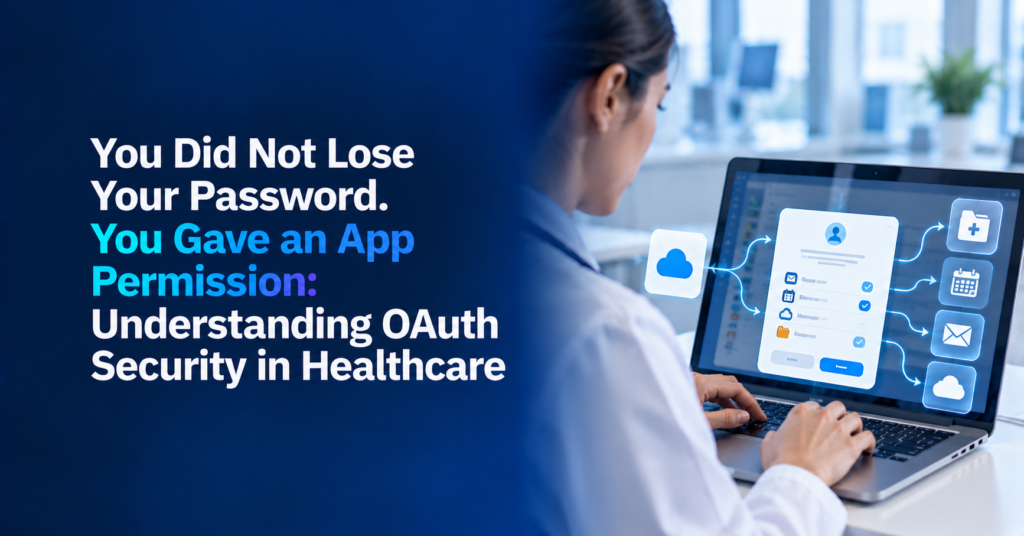
You Did Not Lose Your Password. You Gave an App Permission: Understanding OAuth Security in Healthcare
A healthcare employee discovers a productivity application that could help summarize meetings, organize documents, automate administrative tasks, or manage research. Instead of creating another password, the employee selects “Sign in with Microsoft,” sees a familiar consent screen, and clicks Accept.
Below the Operating System: Why Medical Device Firmware Security Matters in Healthcare
Medical device firmware security addresses a layer of healthcare technology that often receives less attention than operating systems, applications, and network controls. A healthcare security team may isolate a suspicious device, reinstall software, reset its configuration, and scan the system until everything appears clean.
When One Hospital Goes Offline: Why Healthcare Ransomware Resilience Is a Regional Patient-Safety Issue
Healthcare ransomware resilience is no longer only about whether one hospital can restore its servers after a cyberattack. A ransomware incident at one healthcare organization can change ambulance routes, increase emergency department demand, delay treatment, and place additional pressure on hospitals that were never technically compromised.
The Voice Sounds Real. The Identity May Not Be: Defending Healthcare Against AI Voice Phishing
With AI voice phishing in healthcare, recognizing someone’s voice can no longer provide reliable evidence that the person on the other end is who they claim to be. Generative AI has made realistic impersonation easier to create and use in social-engineering campaigns.
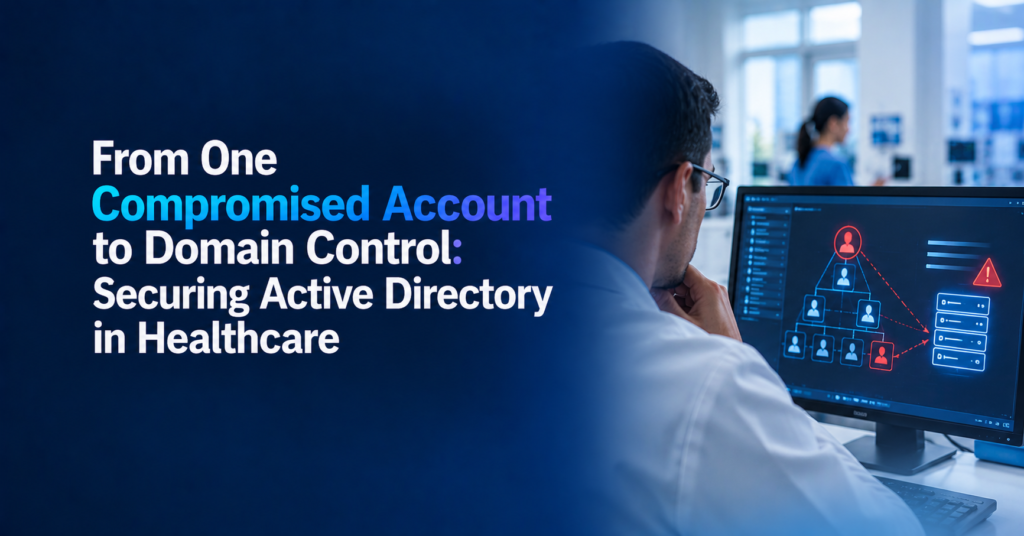
From One Compromised Account to Domain Control: Securing Active Directory in Healthcare
Active Directory security in healthcare can determine whether a phishing incident remains limited to one employee workstation or develops into an organization-wide cyberattack. An attacker who compromises an ordinary healthcare employee may initially have very little access, but the first device is often only the beginning.
Beyond Encryption: How Confidential Computing Protects Healthcare Data While It Is Being Used
Confidential computing in healthcare addresses a security problem that traditional encryption does not fully solve: protecting sensitive patient information while software is actively using it. Healthcare organizations have spent years strengthening encryption for databases, backups, cloud storage, and network connections, but eventually applications need to decrypt information so it can be processed.
When You Cannot Patch It Yet: A Practical Healthcare Security Patching Strategy for Legacy Medical Systems
Healthcare security patching sounds straightforward until a critical clinical system cannot safely or quickly accept the latest update. In hospitals, clinics, diagnostic facilities, and specialty practices, devices can remain clinically useful long after the operating systems, firmware, or supporting technologies underneath them become difficult to maintain.
CVE-2026-83548: Why Healthcare Organizations Need to Reassess Their Network Edge
CVE-2026-83548 is a critical reminder that the technologies designed to protect healthcare networks can themselves become high-value attack targets. Healthcare organizations invest in firewalls, VPNs, and secure remote-access appliances because those systems control access to internal environments and support clinicians, administrators, vendors, and distributed operations.
Passwords Can Be Changed. Genetic Data Can’t: What the Baylor Genetics Breach Teaches Healthcare
The Baylor Genetics breach offers healthcare organizations a valuable lesson about the long-term consequences of exposing highly sensitive patient information. According to the U.S. Department of Health and Human Services Office for Civil Rights, Baylor Genetics reported a hacking/IT incident involving a network server that affected 2,810,878 individuals. The scale of the incident is significant, but the nature of the information handled by a genetics laboratory makes the event especially important for healthcare cybersecurity teams.
Healthcare AI Agents: The Pros, Cons, and Security Risks Healthcare Organizations Should Understand
Healthcare AI agents are moving artificial intelligence beyond simple question-and-answer tools and into systems that can retrieve information, call applications, trigger workflows, and perform actions on behalf of users. That shift creates meaningful opportunities for hospitals, clinics, medical billing organizations, and healthcare technology companies looking to automate routine work.
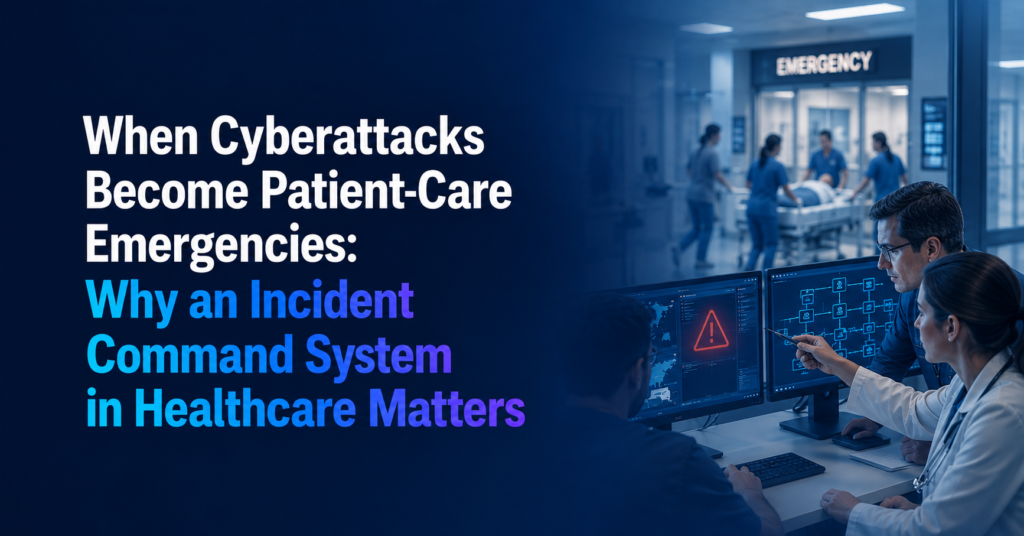
When Cyberattacks Become Patient-Care Emergencies: Why an Incident Command System in Healthcare Matters
An incident command system in healthcare becomes critical when a cyberattack stops being only a technology problem and begins disrupting patient care. Imagine employees suddenly losing access to the EHR at 8:17 a.m., followed by laboratory interfaces failing, pharmacy orders disappearing, and communication systems becoming unreliable.
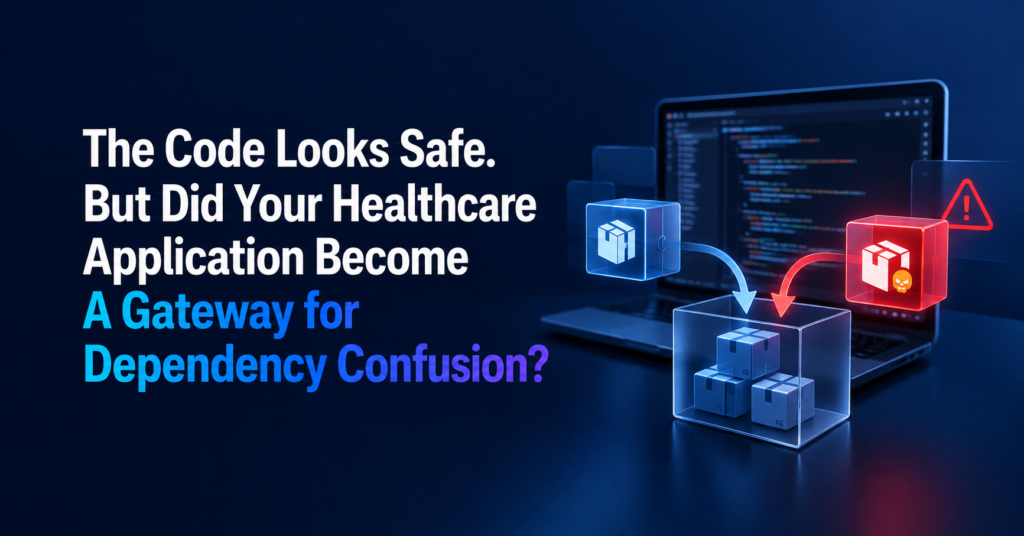
The Code Looks Safe. But Did Your Healthcare Application Become A Gateway for Dependency Confusion?
Dependency confusion in healthcare presents an unusual software supply chain risk because malicious code can enter an application without an attacker directly compromising the developer, source-code repository, or production server. A healthcare software team could deploy an apparently legitimate update to a patient portal while its build system quietly retrieves an attacker-controlled software package.
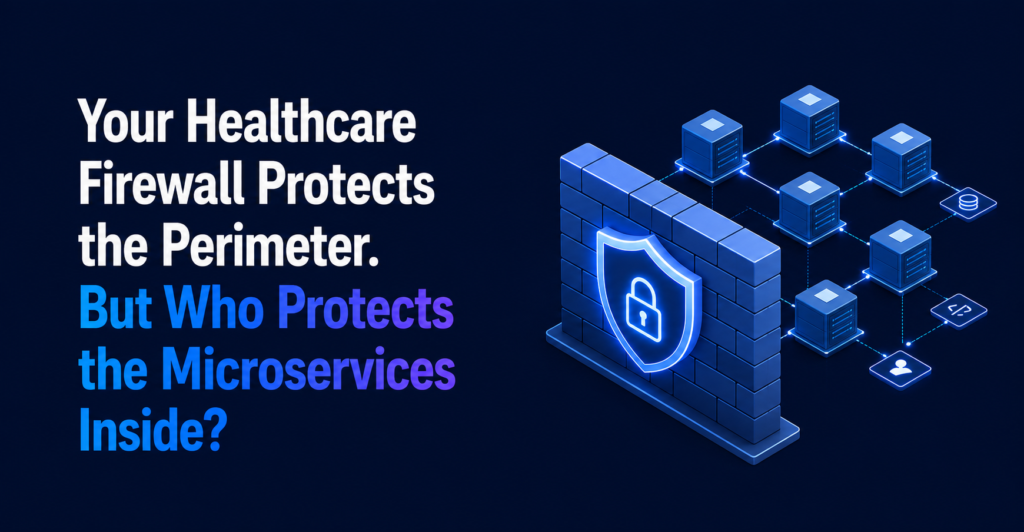
Who Protects the Microservices Inside? A Look Into Optimal Healthcare Microservices Security
Healthcare microservices security requires organizations to think beyond the traditional network perimeter as patient portals, billing systems, APIs, analytics platforms, and other applications move into cloud-native environments. A public-facing healthcare application may be protected by a web application firewall, strong authentication, and continuous monitoring while still depending on dozens of interconnected services behind the scenes.
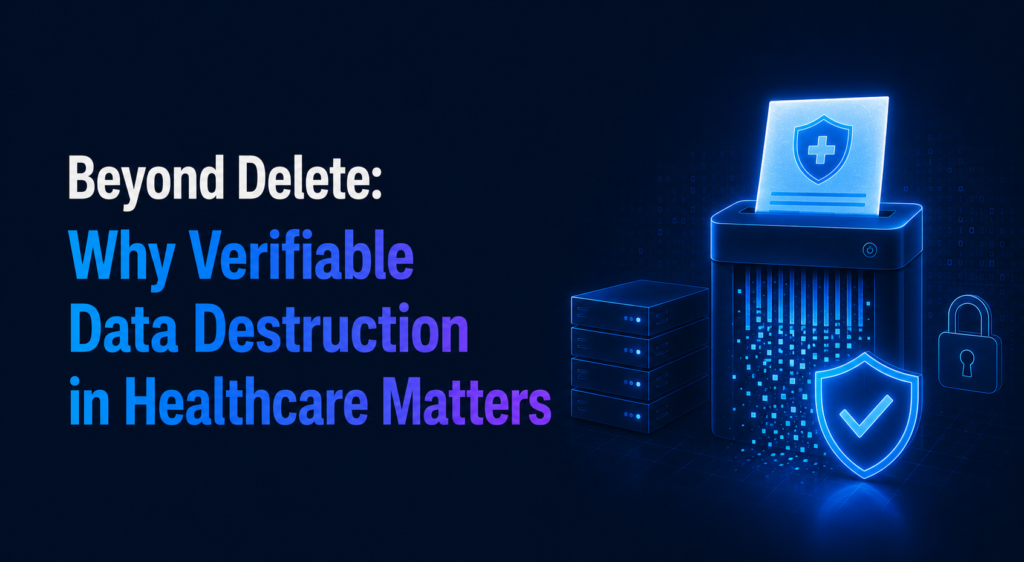
Beyond Delete: Why Verifiable Data Destruction in Healthcare Matters
Verifiable data destruction in healthcare addresses a deceptively simple question: when an organization deletes patient information, can it prove that the information is actually unrecoverable? Healthcare organizations across the United States accumulate enormous volumes of information across EHR platforms, billing applications, cloud environments, patient portals, backups, analytics systems, employee devices, and third-party services.
CISA Flags CVE-2026-60004: Why Healthcare Organizations Should Check Their Gitea Exposure Now
CVE-2026-60004 deserves immediate attention from healthcare cybersecurity teams because it has moved beyond a theoretical software vulnerability. On August 25, 2026, CISA added the critical Gitea vulnerability to its Known Exploited Vulnerabilities (KEV) Catalog based on evidence that attackers are exploiting it in the wild. That changes how healthcare organizations should prioritize the vulnerability.
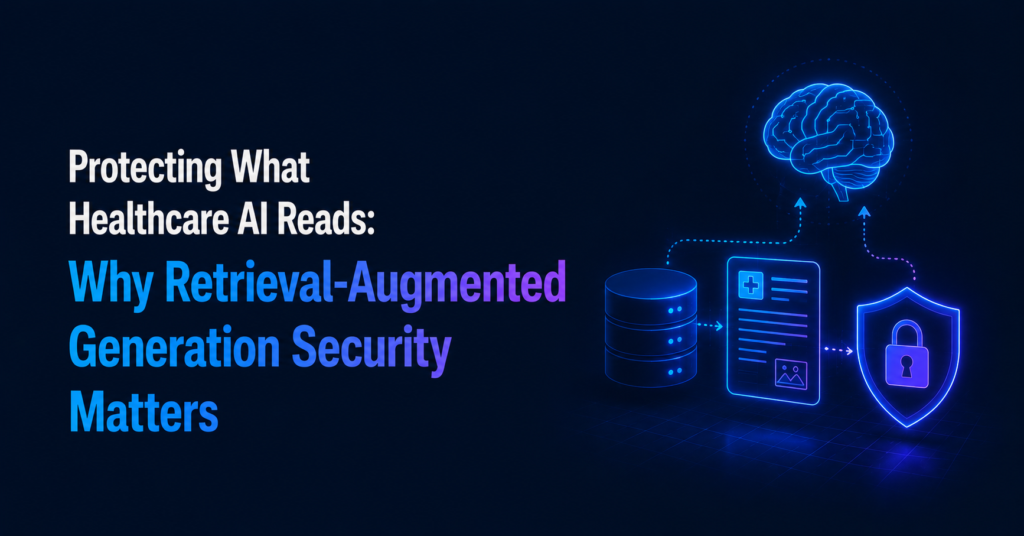
Protecting What Healthcare AI Reads: Why Retrieval-Augmented Generation Security Matters
Healthcare organizations across the United States are beginning to connect generative AI assistants to the information their employees already use. Policies, clinical procedures, billing documentation, security manuals, vendor files, HR guidance, and training materials can become searchable knowledge for AI-powered applications.
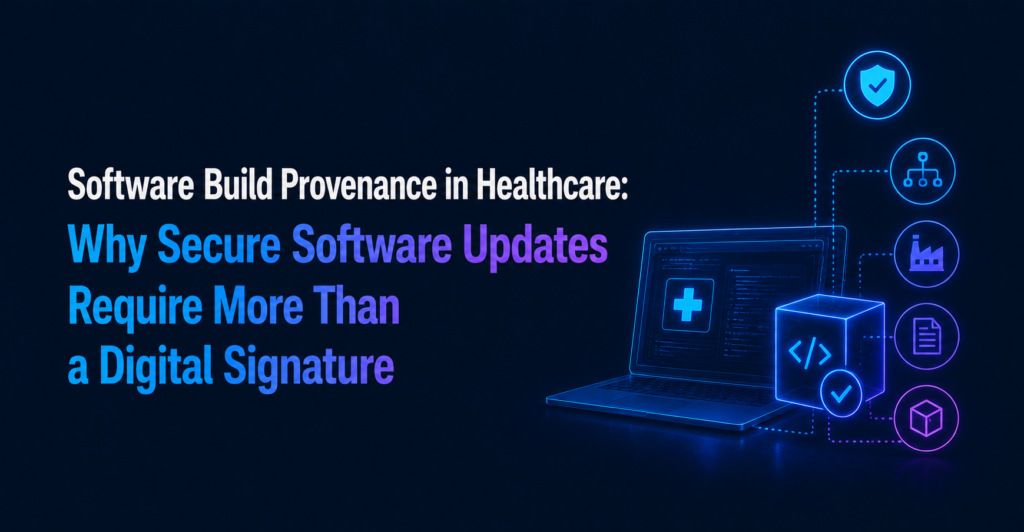
Software Build Provenance in Healthcare: Why Secure Software Updates Require More Than a Digital Signature
Software build provenance is verifiable information that explains where, when, and how a software artifact was created. It creates a traceable record linking the final software package to the source code, build environment, dependencies, and processes used to produce it.
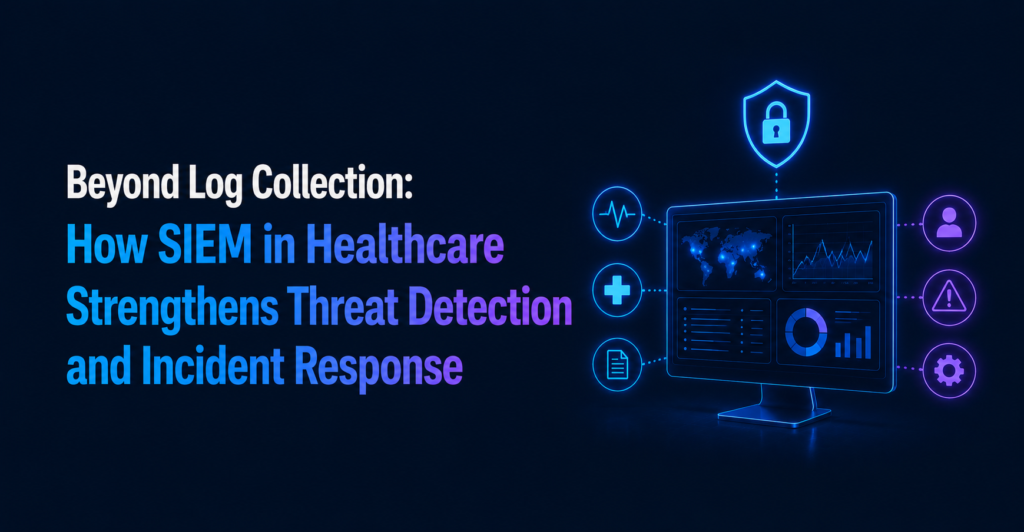
Beyond Log Collection: How SIEM in Healthcare Strengthens Threat Detection and Incident Response
SIEM in healthcare gives hospitals, physician practices, medical billing companies, specialty clinics, and other healthcare organizations a centralized way to understand what is happening across increasingly complex technology environments.
The Hidden Risk Inside Your Browser: Why Browser Security in Healthcare Matters
Browser security in healthcare deserves far more attention as clinical and administrative workflows continue moving into web-based applications. Healthcare employees may spend most of the workday inside browser-based EHR platforms, billing systems, cloud email, patient portals, scheduling tools, telehealth applications, and administrative dashboards.
Shadow IT in Healthcare: How Unmonitored Technology Creates Hidden Cybersecurity and HIPAA Risks
Shadow IT in healthcare can quietly expand an organization’s attack surface without appearing on the security team’s inventory, dashboards, or routine vulnerability reports. A forgotten virtual machine, temporary file-sharing platform, legacy database, testing server, or locally deployed application may continue operating long after its original purpose has ended.
Healthcare Ransomware Defense: Making Cyberattacks More Expensive and Less Profitable
Healthcare ransomware defense must address more than the malicious software deployed at the end of an attack. Modern ransomware operations function like businesses, with attackers investing in infrastructure, stolen credentials, malware development, affiliates, and access brokers because they expect a financial return.
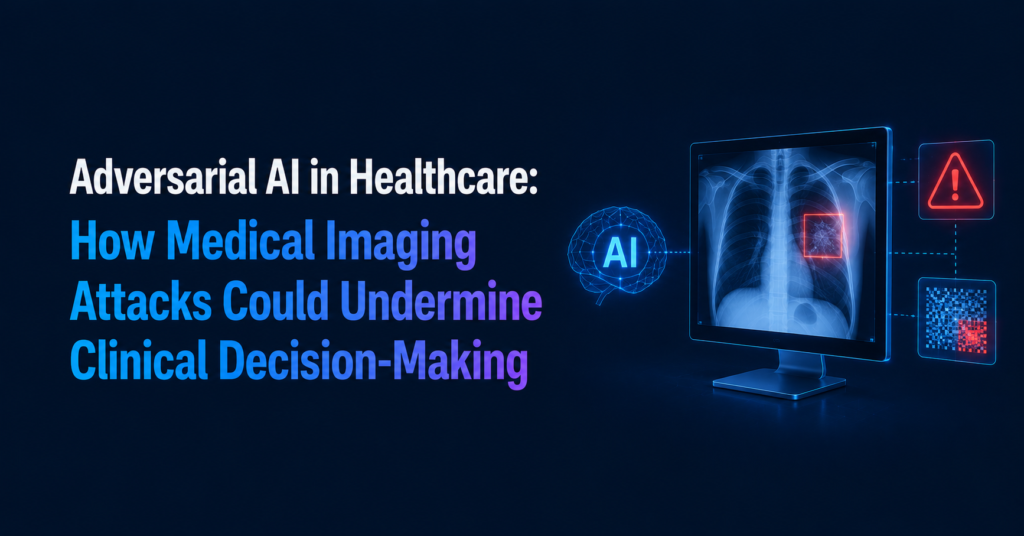
Adversarial AI in Healthcare: How Medical Imaging Attacks Could Undermine Clinical Decision-Making
Adversarial AI in healthcare introduces a new cybersecurity challenge that reaches beyond stolen data and ransomware. As hospitals, physician practices, imaging centers, and health systems adopt artificial intelligence for medical imaging, documentation, billing, scheduling, and clinical decision support, they must also protect the information being fed into those systems. If attackers can manipulate AI inputs without noticeably changing what clinicians see, they may be able to influence the output of systems that support patient care.
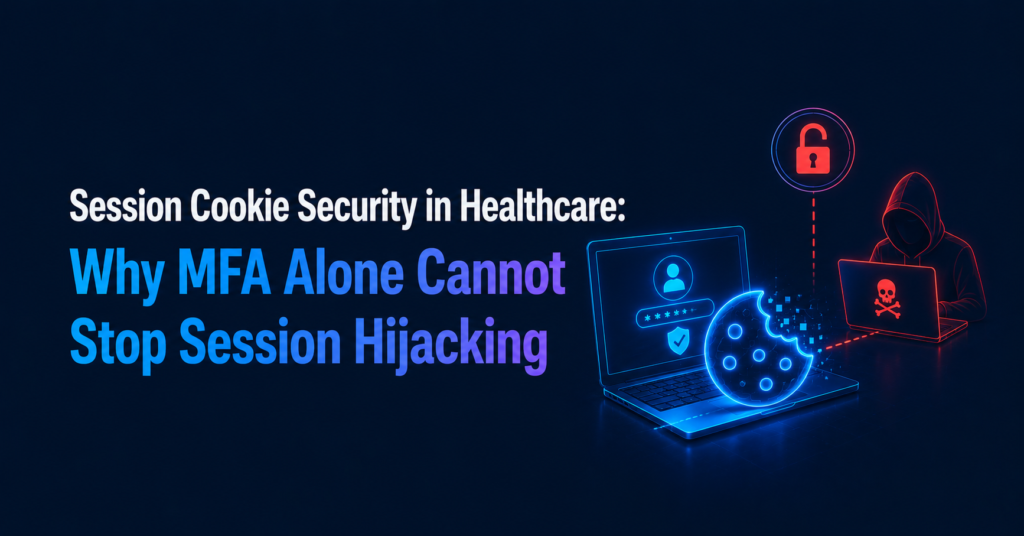
Session Cookie Security in Healthcare: Why MFA Alone Cannot Stop Session Hijacking
Session cookie security in healthcare addresses a critical part of identity protection that begins after a user successfully completes login and multi-factor authentication. Hospitals, physician practices, medical billing companies, specialty clinics, and other healthcare organizations increasingly rely on browser-based patient portals, cloud EHR systems, scheduling platforms, claims tools, and administrative applications.
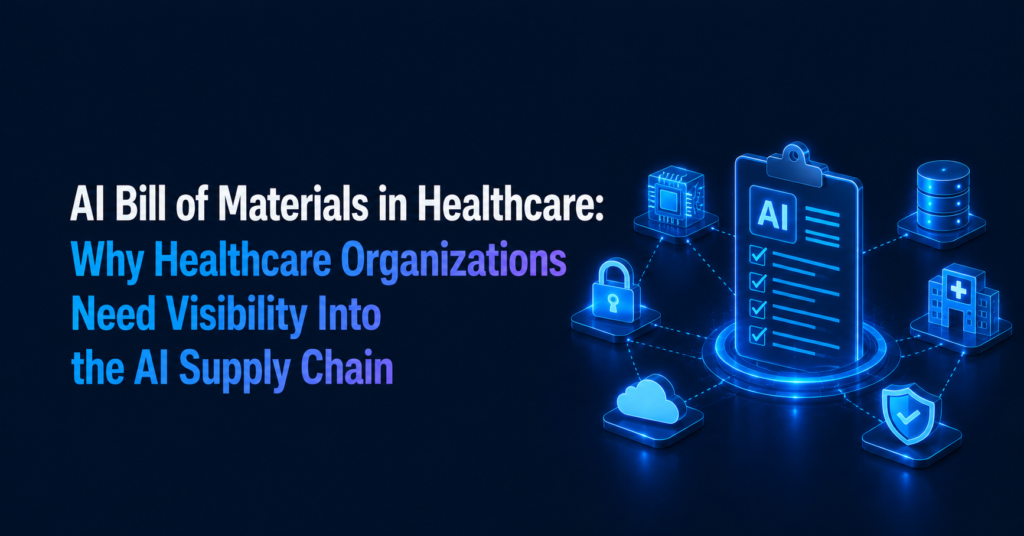
AI Bill of Materials in Healthcare: Why Healthcare Organizations Need Visibility Into the AI Supply Chain
An AI Bill of Materials is an emerging approach to documenting the components, dependencies, and lineage associated with an artificial intelligence system. The concept shares similarities with a Software Bill of Materials (SBOM), which provides visibility into software components and dependencies. An AIBOM expands that concept to address characteristics specific to AI systems.
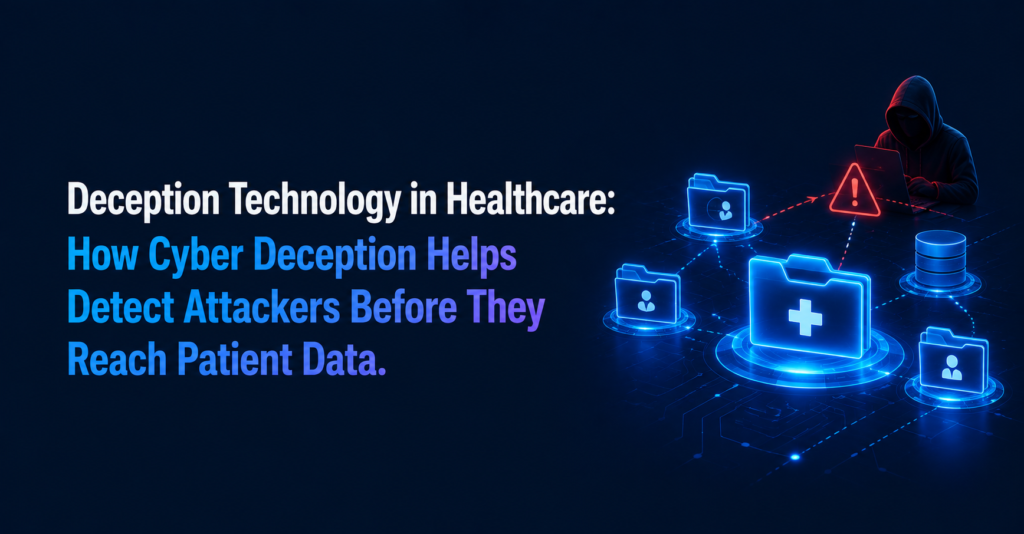
Deception Technology in Healthcare: How Cyber Deception Helps Detect Attackers Before They Reach Patient Data
Deception technology in healthcare is becoming an increasingly valuable cybersecurity strategy as ransomware groups and other threat actors adopt more sophisticated methods to infiltrate healthcare networks.
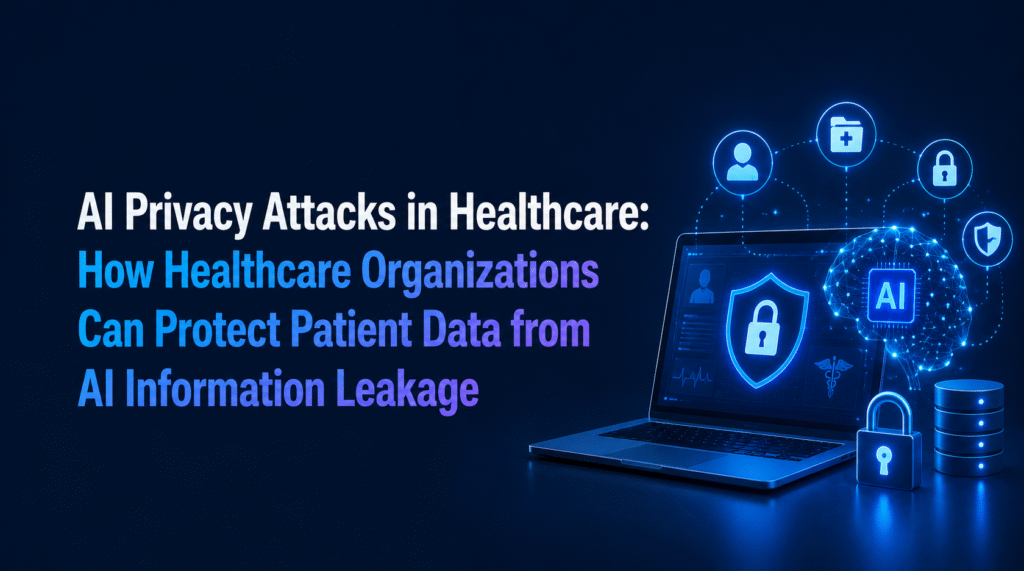
AI Privacy Attacks in Healthcare: How Healthcare Organizations Can Protect Patient Data from AI Information Leakage
Instead of asking only whether the application is secure, they should also ask whether someone could use the AI to learn information they were never authorized to access. That shift in thinking represents an important evolution in healthcare cybersecurity.
Healthcare Security Exceptions: Why Temporary Access and Configuration Changes Become Long-Term Cybersecurity Risks
Healthcare organizations constantly balance patient care with technology management. A firewall rule may be temporarily modified so a vendor can troubleshoot an integration, multi-factor authentication (MFA) may be bypassed while an employee replaces a lost phone, or a service account may receive elevated permissions during a software migration.
Confidential Computing in Healthcare: Why Protecting Data in Use Is the Next Frontier of Cybersecurity
Cybersecurity strategies have traditionally focused on keeping data safe before and after it is used. Today, organizations are recognizing that attackers may target the moment when information is actively being processed. Confidential computing addresses this challenge by introducing new protections that help secure data even while applications are working with it.
Healthcare IT Support vs. Healthcare Cybersecurity: Why Your Organization Needs Both
While many managed service providers implement valuable security controls, comprehensive cybersecurity typically requires additional specialized assessments and ongoing validation. Assuming complete protection without verification creates unnecessary risk.
Securing the Network Edge in Healthcare: Why Routers, VPNs, and Firewalls Are Becoming Prime Cyber Targets
Healthcare organizations rely on network-edge technology to connect clinics, support telehealth, enable remote work, exchange data with partners, and maintain access to cloud applications. These technologies help small and medium-sized healthcare organizations deliver care more efficiently, but they also expand the number of systems attackers can target. Each new connection can become another potential pathway into the environment if it is not properly secured.
The HIPAA Four-Factor Risk Assessment: Why Every Healthcare Organization Needs a Documented Breach Analysis
HIPAA Four-Factor Risk Assessment provides healthcare organizations with a structured method for determining whether an impermissible use or disclosure of Protected Health Information (PHI) constitutes a reportable breach under the HIPAA Breach Notification Rule.
Continuous Threat Exposure Management in Healthcare: How CTEM Helps Clinics Reduce Cyber Risk Before It Disrupts Care
The traditional question—“Did we complete our vulnerability scan?”—is no longer enough. Healthcare organizations need to know which assets are exposed, which weaknesses attackers are actively exploiting, and which remediation actions will produce the greatest reduction in operational risk.
One Click Can Disrupt Care: Why Healthcare Phishing Defense Must Go Beyond Awareness
Healthcare phishing defense has been a point of cybersecurity priority for hospitals, physician practices, specialty clinics, ambulatory surgery centers, behavioral health organizations, and medical billing providers across the United States.
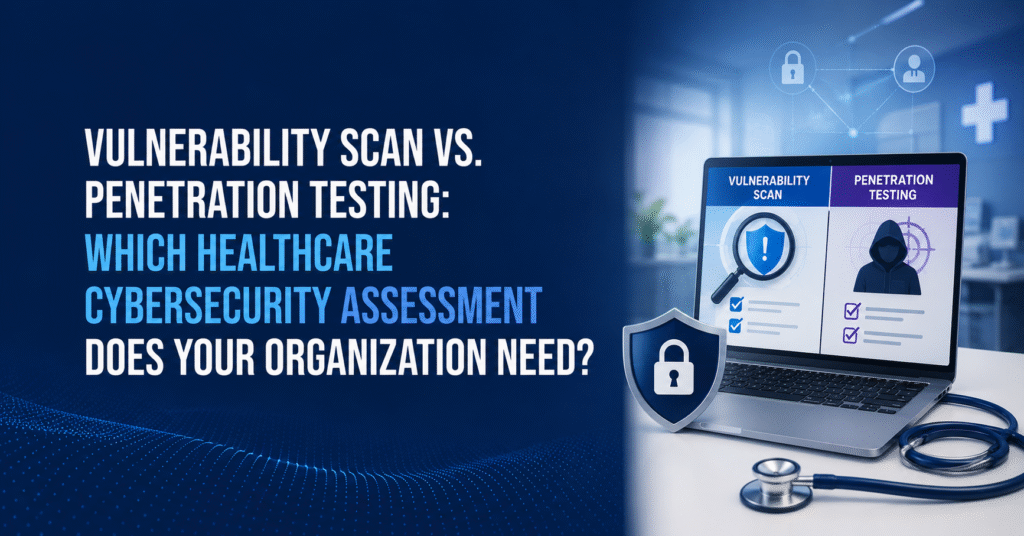
Vulnerability Scan vs. Penetration Testing: Which Healthcare Cybersecurity Assessment Does Your Organization Need?
Healthcare organizations continue to face increasing pressure from ransomware groups, financially motivated cybercriminals, insider threats, and sophisticated nation-state actors. At the same time, the healthcare technology landscape continues expanding through Electronic Health Records (EHRs), cloud-based applications, patient portals, telehealth platforms, remote work solutions, and third-party vendor integrations.
Lynis Compliance Audits: How Linux Security Auditing Helps Healthcare Organizations Strengthen Cybersecurity and HIPAA Readiness
Lynis compliance audits have become an increasingly valuable component of modern healthcare cybersecurity as hospitals, physician practices, specialty clinics, and healthcare organizations continue expanding their Linux-based infrastructure.
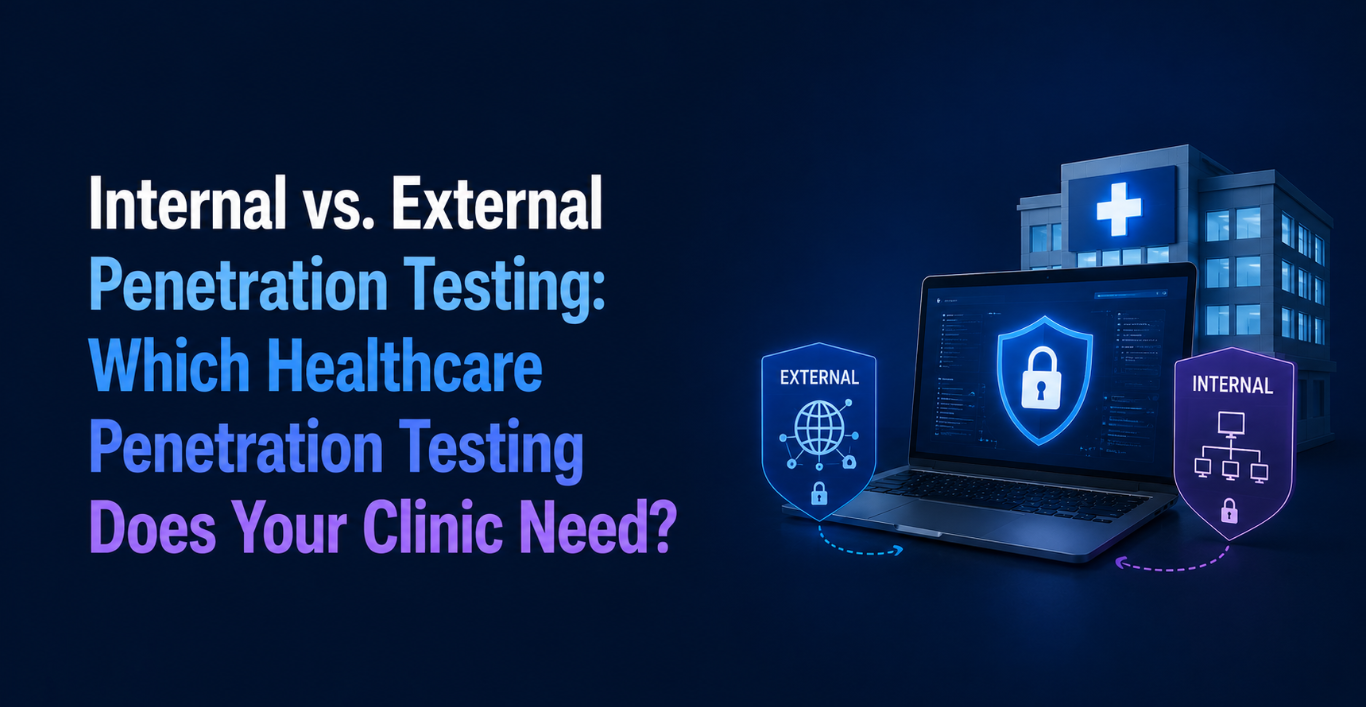
Internal vs. External Penetration Testing: Which Healthcare Penetration Testing Does Your Clinic Need?
Should you invest in internal penetration testing, external penetration testing, or both? The answer depends on the organization’s technology environment, risk profile, compliance requirements, and cybersecurity maturity.
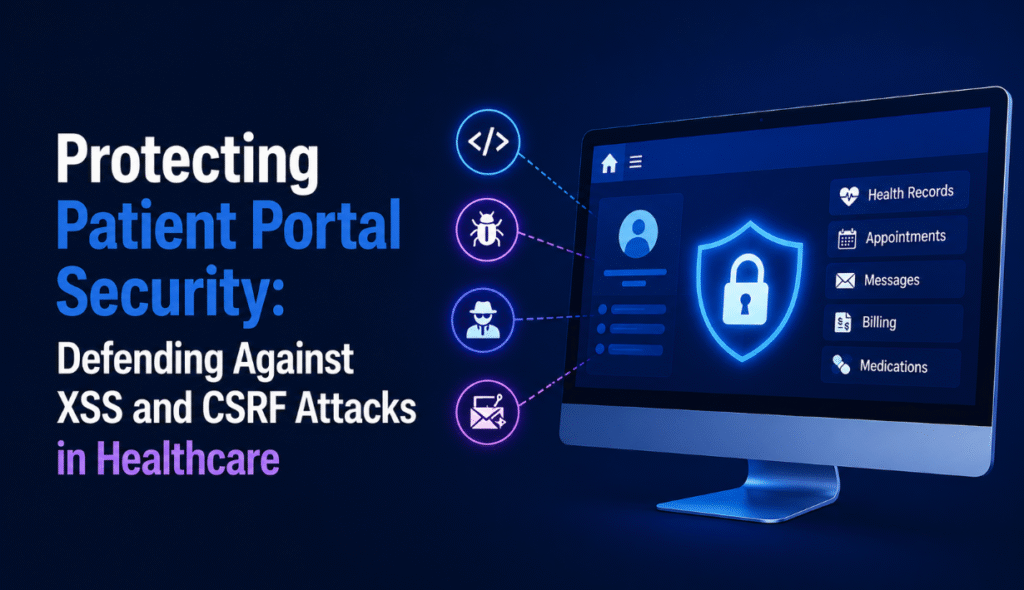
Protecting Patient Portal Security: Defending Against XSS and CSRF Attacks in Healthcare
Patient portal security has become one of the most important priorities for hospitals, physician practices, specialty clinics, ambulatory surgery centers, and healthcare organizations across the United States.
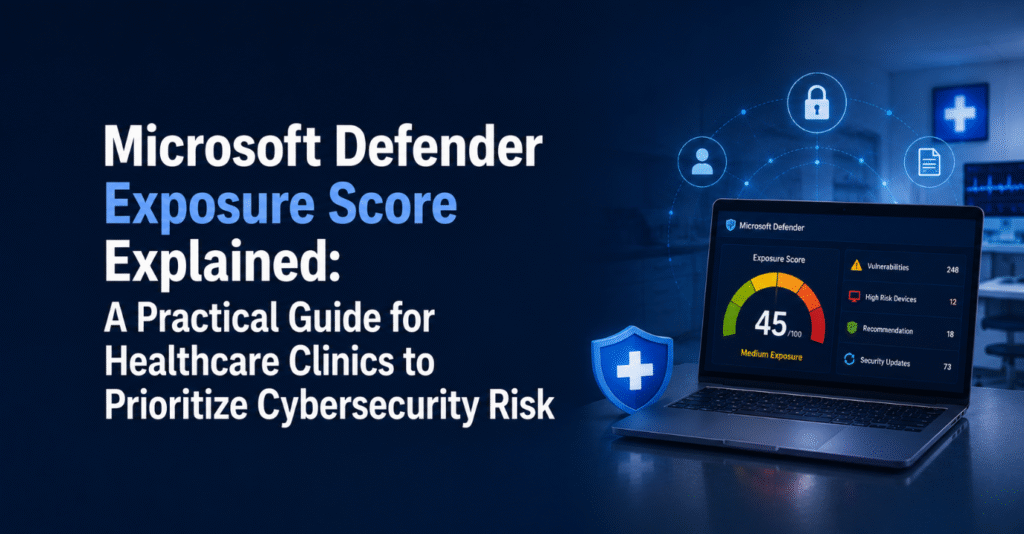
Microsoft Defender Exposure Score Explained: A Practical Guide for Healthcare Clinics to Prioritize Cybersecurity Risk
Learn how Microsoft Defender Exposure Score helps healthcare clinics prioritize vulnerabilities, improve HIPAA compliance, strengthen cybersecurity, and protect patient data.
Shadow AI in Healthcare: How Unapproved AI Tools Can Put Patient Data, HIPAA Compliance, and Healthcare Organizations at Risk
Learn how Shadow AI in healthcare creates hidden cybersecurity and HIPAA compliance risks, why healthcare organizations need AI governance, and how to securely adopt generative AI.
Weak Passwords in Healthcare: Why Weak Passwords Continue to Put Patient Data and Healthcare Organizations at Risk
Learn why weak passwords remain one of healthcare’s biggest cybersecurity risks, how attackers exploit them using credential stuffing and brute-force attacks, and how healthcare organizations can strengthen HIPAA compliance and cyber resilience.
File Integrity Monitoring in Healthcare: Why Continuous File Monitoring Is Essential for HIPAA Compliance and Cyber Resilience
Learn how File Integrity Monitoring (FIM) helps healthcare organizations detect unauthorized file changes, strengthen HIPAA compliance, protect ePHI, and improve cyber resilience.
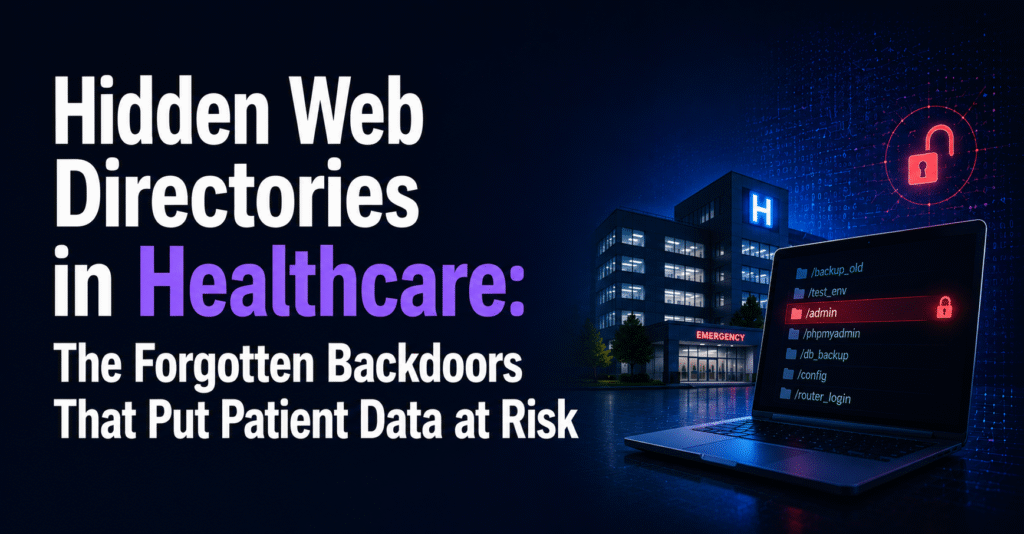
Hidden Web Directories in Healthcare: The Forgotten Backdoors That Put Patient Data at Risk
Learn how forgotten web directories, exposed admin panels, and legacy applications create cybersecurity risks for healthcare organizations. Discover Attack Surface Management (ASM) best practices to protect patient data, strengthen HIPAA compliance, and reduce cyber risk.
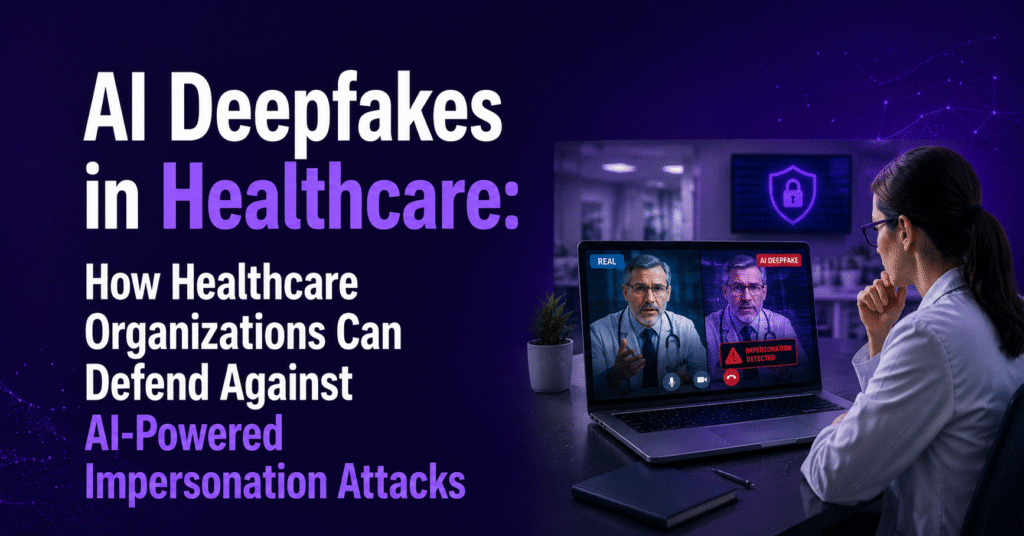
AI Deepfakes in Healthcare: How Healthcare Organizations Can Defend Against AI-Powered Social Engineering
Learn how AI-powered deepfake attacks are targeting healthcare organizations through voice cloning, video impersonation, and social engineering. Discover practical strategies to protect patient data, support HIPAA compliance, and strengthen identity verification.
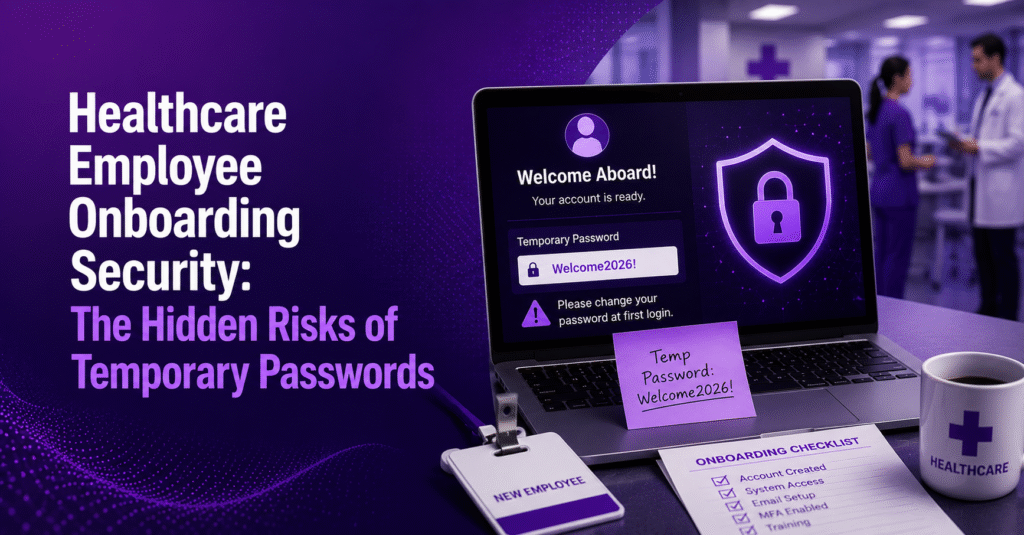
Healthcare Employee Onboarding Security: Why Temporary Passwords Create Hidden Cybersecurity Risks
Discover why temporary onboarding passwords create cybersecurity risks for healthcare organizations. Learn how secure identity management, Zero Trust onboarding, and modern IAM solutions help protect patient data and support HIPAA compliance.
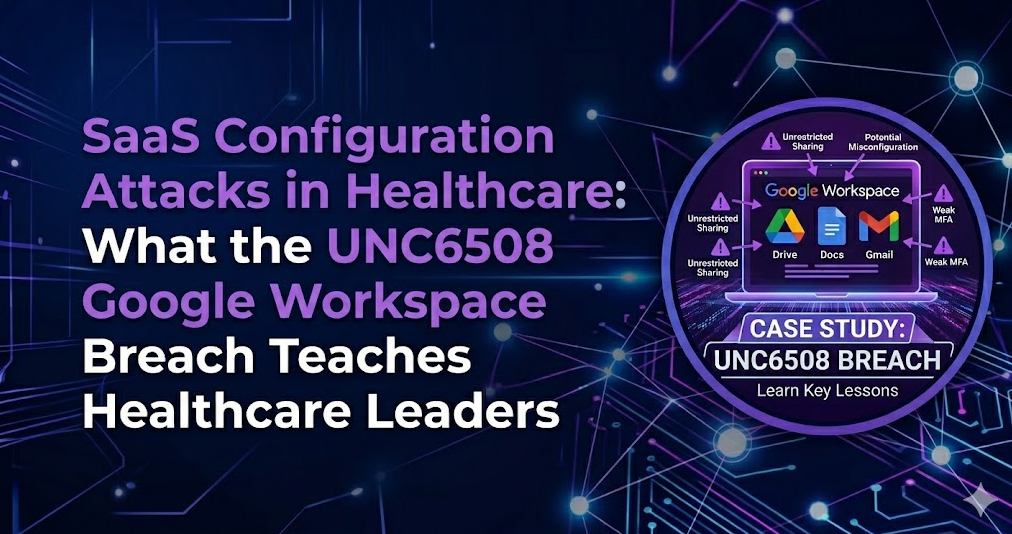
SaaS Configuration Attacks in Healthcare: What the UNC6508 Google Workspace Breach Teaches Healthcare Leaders
Learn how the UNC6508 cyber espionage campaign exploited REDCap and Google Workspace compliance rules to steal healthcare research data. Discover how healthcare organizations can strengthen SaaS security, identity governance, and cloud security posture management.
Why Every Major EHR Update Should Include a Penetration Test
Learn why penetration testing should be part of every Electronic Health Record (EHR) update. Discover how healthcare organizations can strengthen cybersecurity, protect ePHI, support HIPAA compliance, and reduce security risks after major system changes.
Zero Trust Architecture for Medical Practices: Why Healthcare Organizations Must Verify Every Device
Learn how Zero Trust Architecture helps medical practices protect ePHI, prevent ransomware attacks, support HIPAA compliance, and secure every device accessing healthcare systems.
Healthcare Cybersecurity in 2026: The Three Strategic Threats Every Healthcare Leader Must Prepare For
Discover the top healthcare cybersecurity threats in 2026, including ransomware, third-party vendor risk, AI-driven cyberattacks, and nation-state threats. Learn how healthcare organizations can improve cyber resilience and protect patient safety.
Beyond the Perimeter: What Happens After Someone Clicks the Phishing Email?
Even well-trained employees, security-conscious organizations, and healthcare systems with mature cybersecurity programs experience successful phishing attempts.
Healthcare Ransomware Recovery: Why Backups Alone Are Not Enough
Healthcare Ransomware Recovery: Why Backups Alone Are Not Enough When healthcare ransomware recovery is discussed, one statement comes up: “We have backups.” In today’s healthcare threat landscape, having tested whether

Why Small Healthcare Practices Are Becoming Prime Targets for Cyber Attacks
Cybersecurity for small healthcare practices is no longer optional. Cyberattacks are no longer a concern limited to large hospital systems or national health networks. In recent years, small and midsize
Top Cybersecurity Threats Facing Small Healthcare Practices in 2025
Small healthcare practices have long been the backbone of local communities, offering personalized and accessible care to patients. However, as these practices increasingly adopt digital tools and electronic health records
Penetration Testing vs. Vulnerability Scanning: Understanding the Difference and Why Healthcare Organizations Need Both
In today’s increasingly digital healthcare environment, safeguarding patient information is no longer just a technical concern but a critical organizational priority. Whether managing a private clinic, overseeing a medical billing
Why Governments Are Making VAPT a Cybersecurity Requirement in 2025
In an era where cyber threats are becoming more complex, frequent, and damaging, governments around the world are increasingly emphasizing the importance of cybersecurity preparedness. One of the most effective

Cybersecurity in Healthcare: How to Stay Ahead of Threats
Cybersecurity has become a defining concern for healthcare organizations around the globe. As the industry undergoes rapid digital transformation, from electronic health records (EHRs) to telemedicine platforms and IoT-enabled medical

Top Healthcare IT Trends to Watch in 2025
The healthcare industry is undergoing a profound digital transformation, and 2025 is poised to be a defining year for healthcare IT. With the rapid evolution of technologies and increasing demands